


We allocate productive 5-hectare plots directly to multiple smallholder farmers rather than leasing vast tracts to single massive operators
Farmers are backed by guaranteed purchase offtake agreements and fully integrated into GIG Bank's robust structural finance ecosystem
This self-sustaining financial cycle drives economic independence, enabling smallholders to gain full homeownership within a single decade.
The RUDF 5 Ha Farm Model
Equal Distribution
Secured Market & Capital
10-Year Homeownership
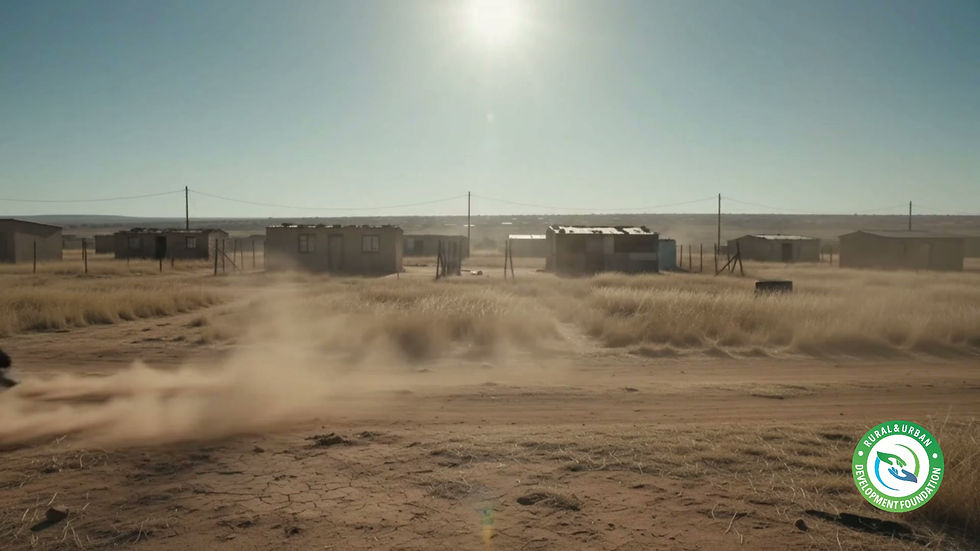
The Generational Journey
Empowering Farmers, Securing Yields, Owning Homes
01
Rabbitry
-
Rapid Breeding and Growth: Rabbits have a short gestation period (around 30 days) and produce large litters, leading to quick returns and a fast-scaling meat or livestock supply.
-
High-Quality, Lean Meat: Rabbit meat is exceptionally high in protein and low in fat, cholesterol, and sodium, making it a highly nutritious, healthy choice for consumers.
-
Low Space and Feed Requirements: They require minimal land compared to cattle or poultry and can efficiently convert low-cost forage, agricultural by-products, and pellets into high-quality protein.

02
Apiculture
-
High-Value Diverse Products: It generates multiple profitable revenue streams from a single hive, including honey, beeswax, propolis, royal jelly, and bee venom.
-
Essential Pollination Services: Bees dramatically improve the yields and quality of surrounding agricultural crops and wild plants, boosting local biodiversity and food security.
-
Low Space and Capital Requirements: Hives require minimal land, can be placed on marginal or otherwise unusable terrain, and demand very low ongoing maintenance and feed costs compared to other livestock.

03
Poultry Farming
-
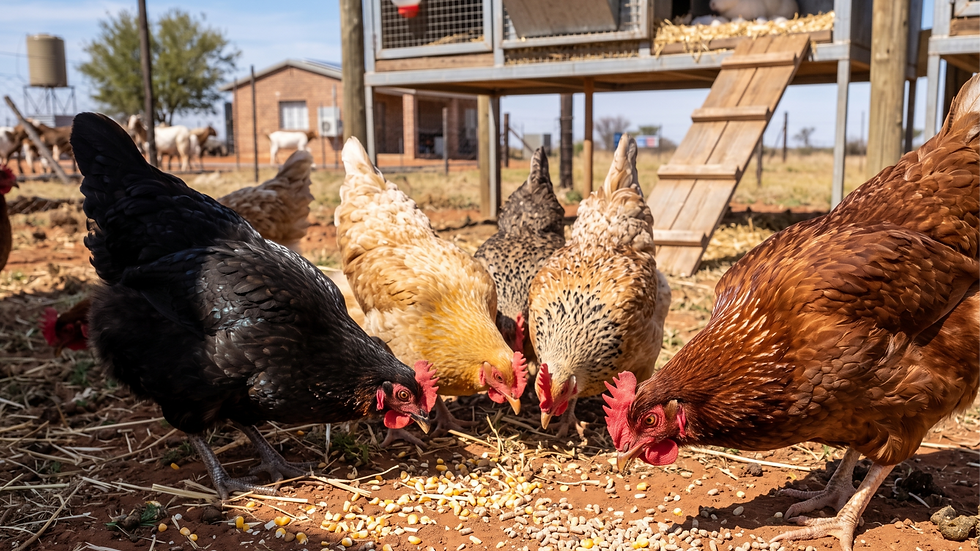
Dual Revenue Streams: Poultry provides two major consistent sources of income from a single venture: meat (broilers) and eggs (layers).
-
Fast Turnaround and High ROI: Modern broiler breeds reach market weight in as little as 4 to 6 weeks, allowing for rapid production cycles and quick reinvestment of capital.
-
High Feed Conversion Efficiency: Chickens are highly efficient at converting feed into animal protein compared to larger livestock like cattle or sheep, making it a cost-effective farming choice.
04
Freshwater Aquaculture
-
Consistent Year-Round Income: Controlled aquatic environments allow for predictable growth rates, planned harvesting schedules, and a steady, continuous supply of fish to local markets.
-
High Feed Conversion and Yield: Many freshwater species (like tilapia and catfish) efficiently convert feed into body mass and can be stocked at high densities, maximizing protein production per square meter.
-
Integration with Agriculture: Fish wastewater is rich in nutrients and can be recycled to irrigate and fertilize crops (aquaponics), reducing overall fertilizer costs and saving water.

05
Goat Husbandry
-
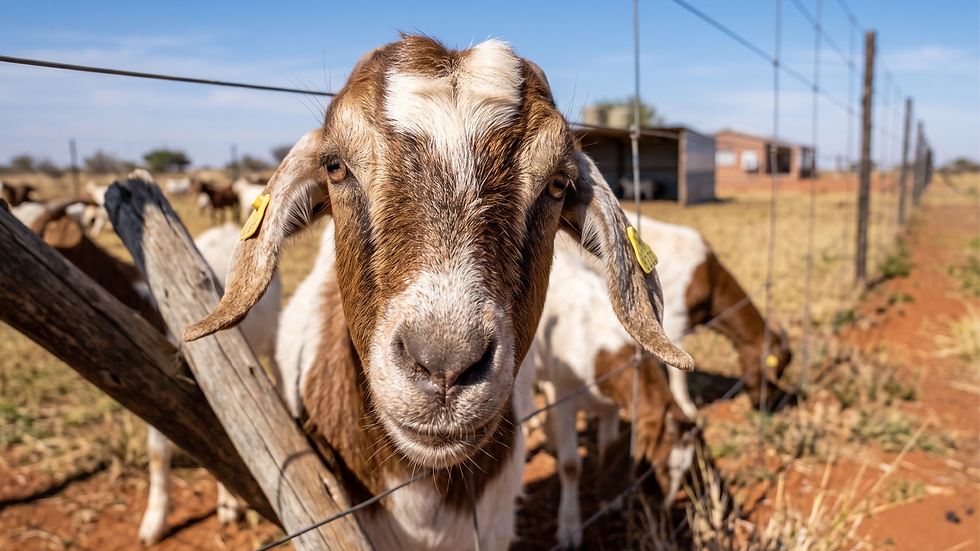
High Adaptability and Resilience: Goats are hardy animals that thrive in diverse climates, tolerate harsh environments, and are highly resistant to many common livestock diseases.
-
Diverse Income Streams: They offer multiple revenue sources from a single herd, including milk, high-demand lean meat (chevon), cashmere or mohair fiber, and high-quality manure for fertilizer.
-
Low Setup and Maintenance Costs: Goats require minimal initial investment, small land space, and lower feed costs because they are efficient browsers that eat weeds, shrubs, and low-quality forage that other livestock ignore.
06
Home Ownership
-
Long-Term Wealth and Asset Building: It provides families with a valuable, permanent financial asset that builds equity over time, offers collateral for future investments, and can be passed down as generational wealth.
-
Enhanced Stability and Security: Owning a home eliminates the unpredictability of rising rent prices and landlord decisions, providing long-term residential stability and a secure foundation for families.
-
Socio-Economic Empowerment: Access to affordable housing frees up household income for education, healthcare, and small business development, significantly improving a family's overall quality of life and financial resilience.

07
Vertical Agri - Aquaponics
-
Maximum Land Efficiency: By stacking crops vertically, it produces significantly higher yields per square meter than traditional farming, making it ideal for urban areas with limited space.
-
Massive Water Savings: Most vertical farms utilize advanced hydroponic or aeroponic systems that recycle water, using up to 90% to 95% less water than conventional soil-based agriculture.
-
Year-Round Crop Production: Operating in a climate-controlled indoor environment completely eliminates dependence on seasonal weather, protects crops from extreme weather events, and ensures reliable, continuous harvests.

08
Borehole
-
Financial Savings and Long-Term Value While the initial drilling and installation costs can be high, a borehole largely eliminates your reliance on municipal water tariffs. Over time, it pays for itself, especially for water-heavy tasks like irrigation, filling pools, and large-scale cleaning. Additionally, having an independent, functional water source significantly boosts a property’s resale value.
-
Water Security and Reliability Municipal supply chains are increasingly vulnerable to water restrictions, infrastructure failure, pipe bursts, and low pressure. A borehole gives you total control over your water supply, ensuring uninterrupted access to water 24/7, even during severe droughts or municipal outages.
-
Alternative Income Generator A farm borehole can be transformed from a basic utility into a steady, alternative revenue stream to diversify income and build climate resilience. By tapping into underutilized water reserves, farmers can sell bulk water to neighboring properties, construction sites, or municipal grids during shortages. With proper filtration, the supply can support a commercial water-bottling business, a community refilling station, or lucrative, water-intensive ventures like aquaculture and hydroponic greenhouses. Ultimately, leveraging this underground asset provides a reliable, weather-resistant cash flow that buffers against traditional agricultural market volatility.

